Event scenario
An 80 minute outdoor or studio session with arrival screening, a progressive flow, an optional rest path, and time to close without rushing.
A beginner-friendly small-group yoga format with a named intensity, observable capacity, consent-aware guidance, and a calm closing.
Start with this layout and agenda. Your draft stays with you through sign-in; review every detail before publishing.
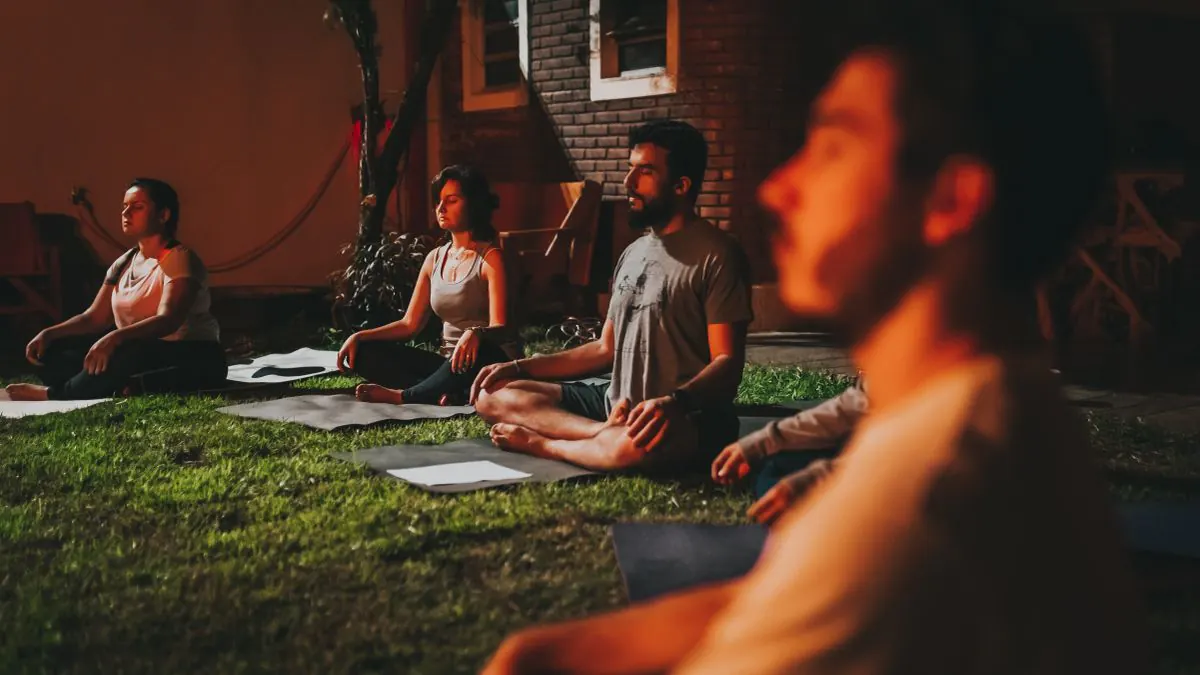
Suggested pricing: Set after safe observation capacity and complete pilot costs are known. Best in quiet studio, sheltered terrace, or permitted outdoor space with a weather alternative.
Plan a bounded sunset yoga event around one participant experience rather than an all-levels promise that hides important differences. Publish the teaching style, intensity, setting, weather plan, consent approach, and what guests should bring.
An 80 minute outdoor or studio session with arrival screening, a progressive flow, an optional rest path, and time to close without rushing.
Guests can judge the pace, experience fit, physical setting, and support before booking, while the host keeps the group small enough to observe and guide responsibly.
A practical yoga event page that connects the public promise to the host's real competence, observation capacity, venue controls, and pilot economics.
Give HereNow your yoga style, participant fit, training, location, observation cap, consent practice, weather plan, ticket inclusions, and price inputs to tailor this pilot.
Use this format to turn a broad yoga idea into one responsible small-group offer whose teaching promise, participant fit, capacity, and public information agree.
A gentle first-timer flow with clear options for pausing or resting.
A sunset park session with a tested surface, weather decision time, and backup plan.
A small studio class built around one movement theme rather than mixed-level progression.
A paid pilot used to test observation load, participant fit, and complete delivery costs.
A practical yoga event page that connects the public promise to the host's real competence, observation capacity, venue controls, and pilot economics.
Guests see the pace, intensity, prerequisites, setting, and available options without having to infer them from a calming image.
The first cap reflects how many people the host can continuously observe and guide in the actual layout.
Touch, alternatives, support, access, and what-to-bring details are part of the event design and registration flow.
The strongest event pages usually add concrete host details: the place, the people, the promise, and the small moments that make guests picture themselves there.
The agenda gives first-time hosts a reliable shape while leaving room for your own personality, venue, and timing.
Timing is relative to the event start.
Arrival, participant check-in, consent notes, and mat setup
Grounding, breath, and progressive warm-up
Guided bounded flow with observable options and rest paths
Cooldown and supported rest
Closing, questions, and safe departure notes
These are the basics hosts usually check before turning a template into a real event page.
It can be when the host names a beginner-appropriate pace, offers understandable alternatives, keeps the group within observation capacity, and states any movements or conditions the session is not designed for.
Use the smallest number the host can continuously observe, cue, and support in the tested layout. Legal room capacity is only one constraint and should not determine the class size by itself.
Explain whether physical adjustments are used, how consent is requested, and how a participant can choose verbal or visual guidance instead. Do not require public disclosure of personal health information.
Publish the decision time, notification method, backup venue or cancellation rule, and refund or transfer terms before tickets are sold.
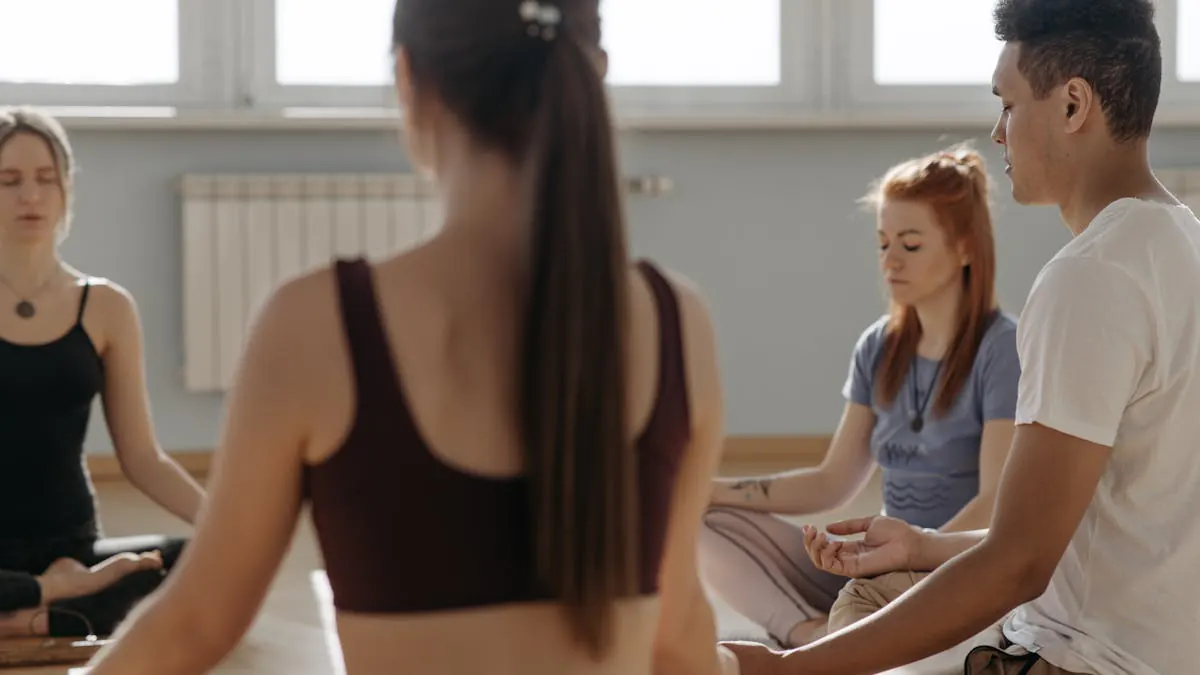
A slow, grounded session for breathing, guided meditation, and reflection.
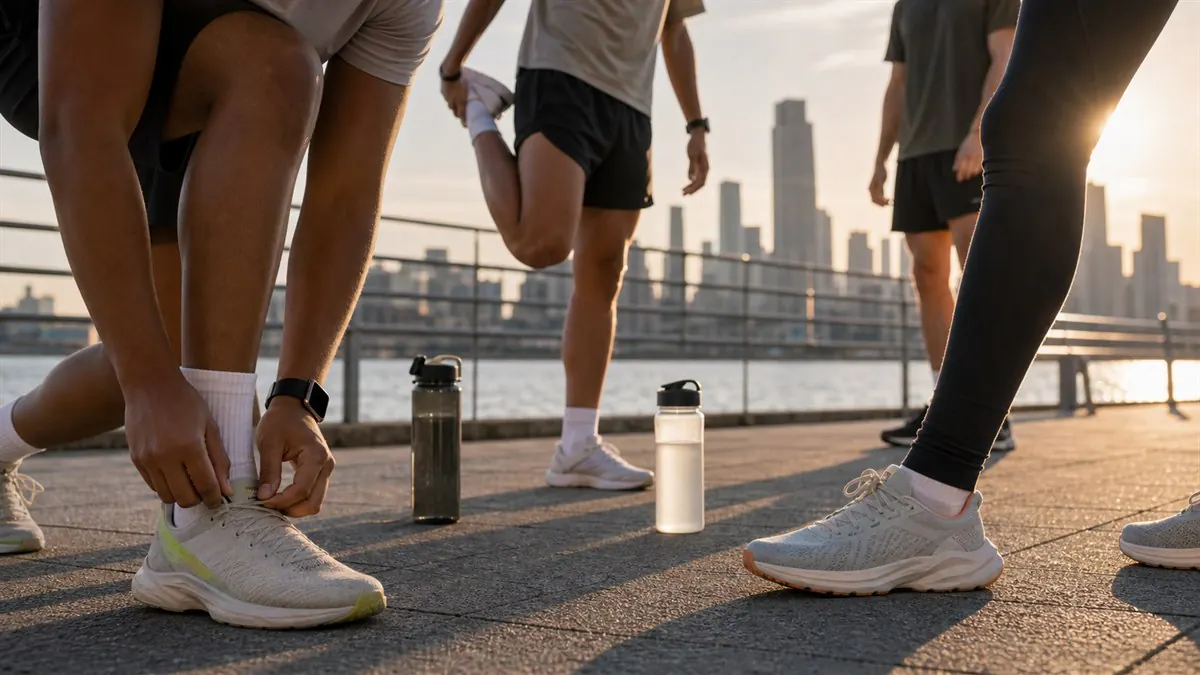
A relaxed run club with pace groups, a clear route, and a coffee finish people can actually talk about.

A solo-friendly sunrise hike with gentle prompts, beginner pacing, and an optional coffee finish.